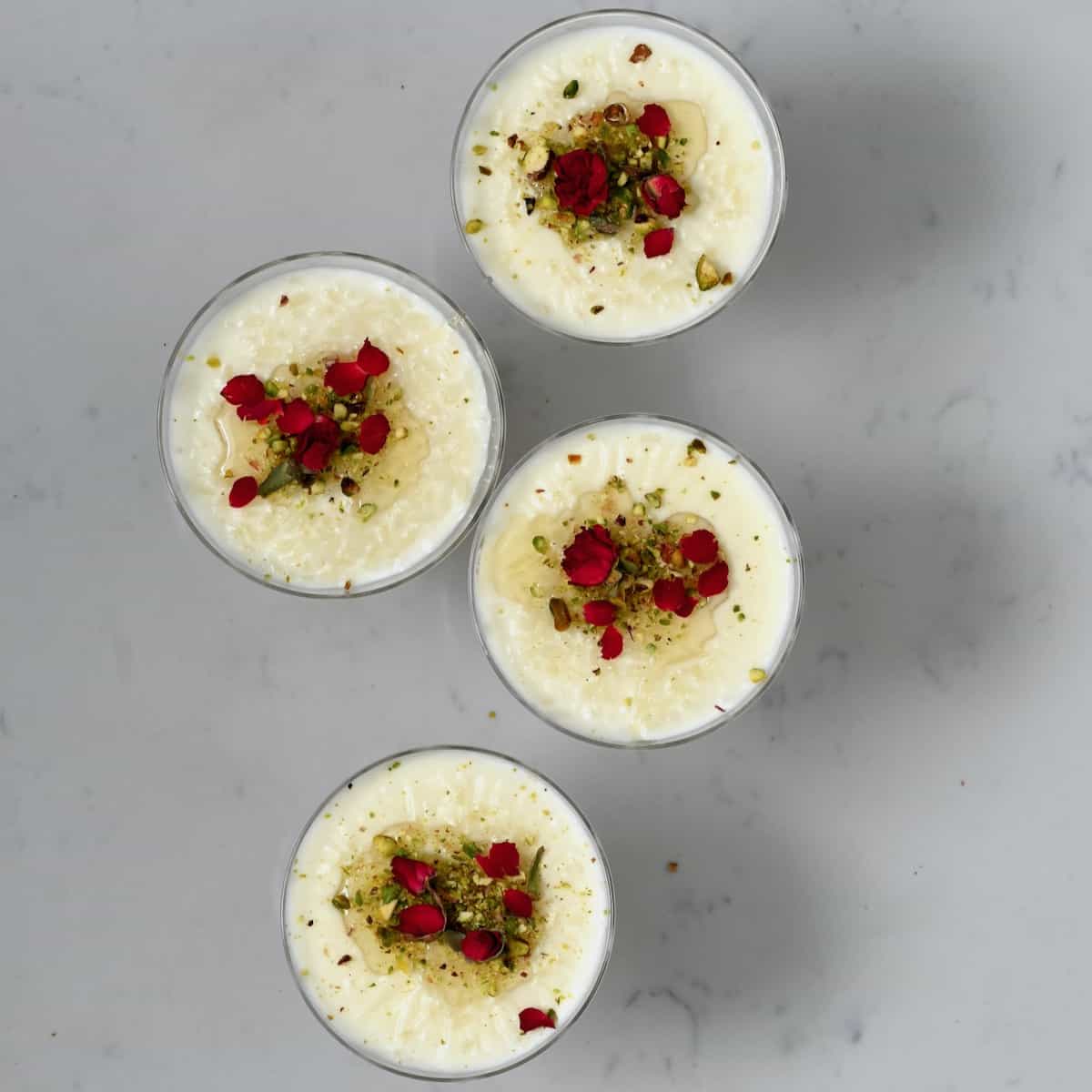
Taste of Tradition: Creamy Lebanese Riz bi Haleeb with Rosewater
There are few desserts that evoke a sense of home, comfort, and timeless tradition quite like a bowl of creamy rice pudding. And among the myriad global variations, the Lebanese rendition, known as Riz bi Haleeb (literally "rice in milk"), stands out for its elegant simplicity and delicate aroma. This isn't just any rice pudding; it's a luscious, dairy-rich confection, thickened to perfection on the stovetop and infused with the enchanting scent of rosewater. Forget complicated recipes or lengthy baking times – this traditional
stovetop Lebanese rice pudding riz bi haleeb comes together in under 30 minutes, promising a warm embrace of flavor perfect for any time of day.
This cherished Middle Eastern dessert is a testament to how a handful of simple ingredients can transform into something truly extraordinary. With its velvety texture and captivating floral notes, Riz bi Haleeb is more than just a sweet treat; it's a culinary journey that transports you straight to the heart of Lebanese hospitality.
The Heart of Lebanese Comfort: What is Riz bi Haleeb?
Riz bi Haleeb is a quintessential part of Lebanese and broader Middle Eastern cuisine, often evoking nostalgic memories of childhood and family gatherings. Unlike some European or American rice puddings that might rely on eggs for thickening, this Arabic version achieves its signature creamy consistency through the judicious use of cornstarch, combined with the natural starches of short-grain rice. The result is a smooth, egg-free pudding that's both light and incredibly satisfying.
What truly distinguishes Riz bi Haleeb is its characteristic flavoring: the delicate perfume of rosewater or orange blossom water. These floral essences are staples in Middle Eastern sweets, lending an exotic and highly aromatic quality that sets this pudding apart. Served chilled or slightly warm, and often adorned with a sprinkle of crushed pistachios, a dash of cinnamon, or even edible rose petals, Riz bi Haleeb transcends its role as a mere dessert. It's a versatile dish enjoyed for breakfast, a comforting afternoon snack, or an elegant conclusion to any meal. Dive deeper into its simple elegance with our guide to
Simple 6-Ingredient Riz bi Haleeb: Middle Eastern Rice Pudding.
Mastering the Stovetop: Why This Method Shines
The beauty of preparing
stovetop Lebanese rice pudding riz bi haleeb lies in its straightforward and efficient cooking method. While many rice puddings might demand oven time or slow-cooker patience, the stovetop approach ensures a relatively quick turnaround without sacrificing any of the desired creaminess. This speed is particularly appealing for those moments when you crave something comforting without the long wait.
The key to its success on the stovetop is the combination of starches. Short-grain rice, with its higher starch content, contributes to the pudding's body, but it's the cornstarch that acts as the real thickening agent, allowing the pudding to achieve its desired consistency in minutes rather than hours. This quick thickening means less time spent stirring over a hot stove and more time enjoying the delicious results. To ensure a perfectly smooth and lump-free pudding, it’s crucial to dissolve the cornstarch in a small amount of cold milk or water before adding it to the hot mixture. This creates a slurry that integrates seamlessly, preventing clumps from forming. For a detailed walkthrough of this efficient method, check out our
Stovetop Riz bi Haleeb: Easy 30-Minute Lebanese Rice Pudding.
The Essential Ingredients for Authentic Flavor
The magic of Riz bi Haleeb truly lies in its minimal yet potent ingredient list. Each component plays a vital role in crafting this traditional delight:
*
Short-Grain Rice: This is non-negotiable for the right texture. Short-grain rice, like Egyptian or Arborio, releases more starch as it cooks, contributing to the pudding's natural creaminess. You'll want to cook it first until tender before adding the dairy.
*
Whole Milk & Heavy Cream: For a truly luxurious and indulgent pudding, whole milk is recommended. The higher fat content contributes significantly to the richness and velvety mouthfeel. Adding a splash of heavy cream (or double cream) takes the indulgence up another notch, yielding an impossibly creamy result. While 2% milk can be used, it may result in a slightly less rich pudding.
*
Cornstarch: The secret to its rapid thickening and egg-free creaminess. Cornstarch allows the pudding to set beautifully, whether served warm or chilled, creating that characteristic smooth, almost gelatinous texture without being rubbery.
*
Sugar: Traditionally, granulated white sugar is used to sweeten Riz bi Haleeb. The amount can be adjusted to your preference, allowing you to control the sweetness level of your dessert.
*
Rosewater and/or Orange Blossom Water: These are the soul of the pudding. Both floral waters offer distinct yet complementary aromas. Rosewater provides a delicate, romantic perfume, while orange blossom water lends a slightly sharper, citrusy floral note. You can use either one exclusively or a harmonious blend of both, adding them towards the end of the cooking process to preserve their volatile fragrances.
*
Optional Mastic Powder: For an truly authentic, old-world flavor that many remember from childhood, consider adding a pinch of mastic powder. Mastic, a resin from the mastic tree, offers a unique piney, subtly sweet, and almost vanilla-like aroma. It's potent, so only a tiny amount is needed, finely ground, to impart its distinctive touch.
Crafting Your Creamy Masterpiece: Step-by-Step Perfection
Making
stovetop Lebanese rice pudding riz bi haleeb is a delightfully simple process that yields impressive results. Here's a breakdown of the key steps to ensure your pudding is perfectly creamy and aromatic:
1.
Cook the Rice: Begin by cooking your short-grain rice in water until it's tender and most of the water has been absorbed. This pre-cooking ensures the rice is soft before being introduced to the milk.
2.
Add Dairy and Sugar: Once the rice is tender, pour in the whole milk and heavy cream. Stir in the granulated sugar until it fully dissolves. Bring this mixture to a gentle simmer over medium heat, stirring occasionally to prevent the rice from sticking to the bottom of the pot.
3.
Thicken with Cornstarch: In a separate small bowl, whisk together the cornstarch with a bit of cold milk or water to create a smooth slurry. Once the milk mixture on the stove is simmering, slowly pour in the cornstarch slurry while continuously whisking. Continue to cook and stir for a few minutes until the pudding thickens to your desired consistency – it should coat the back of a spoon. Remember, it will thicken further as it cools.
4.
Infuse with Aromatics: Remove the pot from the heat and stir in your chosen floral water (rosewater or orange blossom water) and any optional mastic powder. A little goes a long way with these potent essences, so start with a conservative amount and add more to taste.
5.
Cool and Serve: Ladle the warm pudding into individual serving bowls or a larger dish. Allow it to cool at room temperature for a while before transferring it to the refrigerator to chill and set completely. Chilling enhances the pudding's firm, creamy texture.
Beyond the Bowl: Serving Suggestions and Variations
While Riz bi Haleeb is glorious on its own, its versatility extends to how it's served and garnished. The presentation is almost as important as the taste, elevating this simple dessert to a truly special experience.
*
Traditional Toppings: The classic trio of toppings includes finely crushed pistachios (which add a vibrant green color and a delightful crunch), a dusting of ground cinnamon for warmth, and often a few delicate, food-grade dried rose petals for an extra touch of elegance and intensified floral aroma.
*
Modern Twists: Don't hesitate to get creative. Fresh berries (strawberries, raspberries, or blueberries) offer a tangy contrast to the pudding's sweetness. A drizzle of honey or a sprinkle of toasted coconut flakes can also add intriguing layers of flavor and texture. For a more decadent treat, consider dark chocolate shavings or a spoonful of fruit preserves.
*
Warm vs. Cold: Riz bi Haleeb is delicious both warm and chilled. Served warm, it offers a comforting, spoonable consistency, perfect for a cozy evening. Chilled, it firms up to a delightful, almost custardy texture, making it incredibly refreshing, especially during warmer months.
*
Pairing: This creamy dessert pairs beautifully with a cup of strong Arabic coffee or a glass of mint tea, providing a balanced end to any meal. It's also a fantastic contribution to a larger spread of Middle Eastern desserts.
No matter how you choose to enjoy it, this
stovetop Lebanese rice pudding riz bi haleeb is a timeless delicacy that promises comfort, tradition, and exquisite flavor in every spoonful. It's a simple pleasure that connects us to rich culinary heritage, proving that the most profound tastes often come from the most humble ingredients.