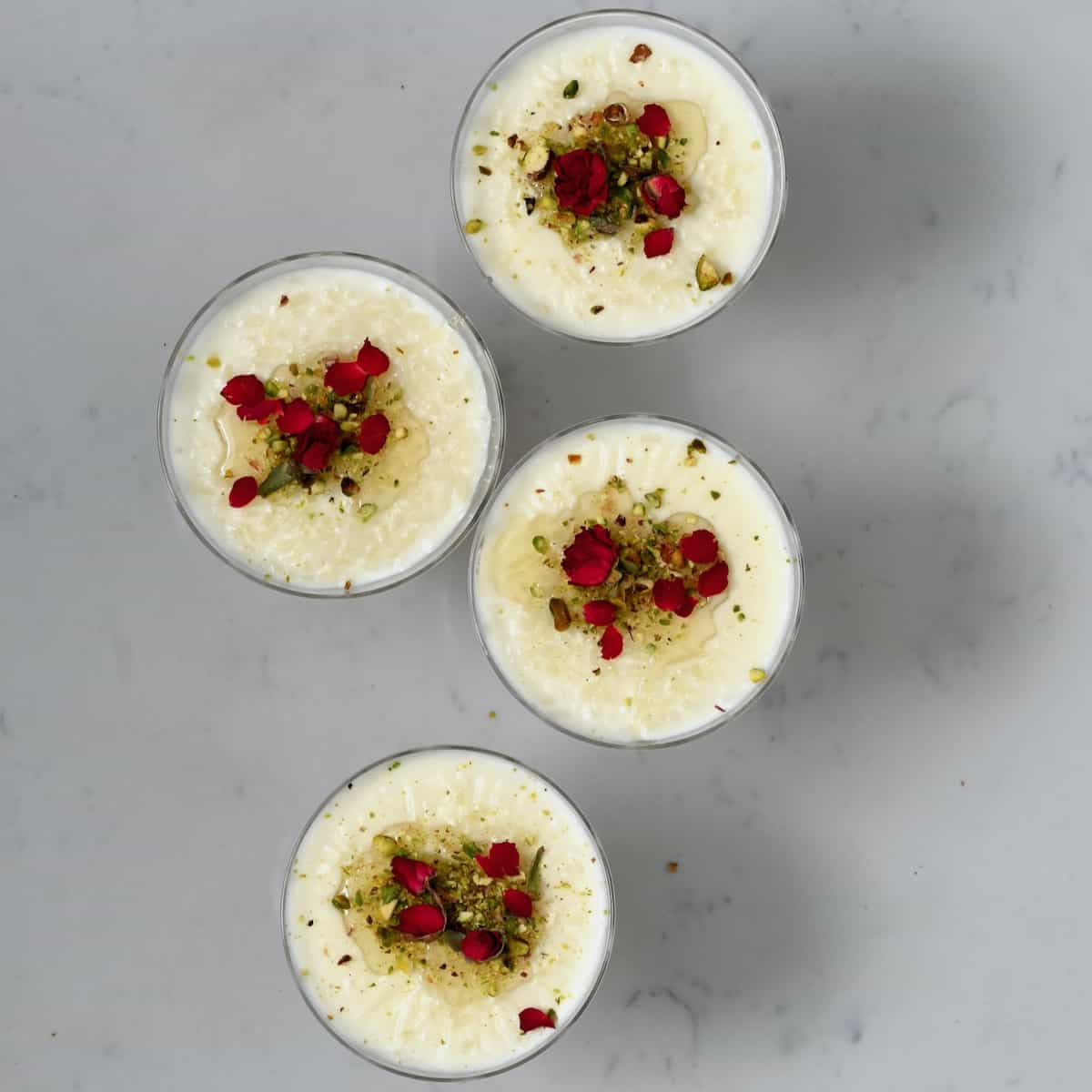
Simple 6-Ingredient Riz bi Haleeb: The Quintessential Middle Eastern Rice Pudding
Imagine a dessert that’s at once comforting, fragrant, and surprisingly simple to prepare. That’s exactly what you get with stovetop Lebanese rice pudding, known as Riz bi Haleeb. This cherished Middle Eastern delicacy, whose name literally translates to ‘rice in milk’, is a testament to the fact that extraordinary flavor can come from humble beginnings. Requiring just six core ingredients (plus those delightful toppings!) and under 30 minutes on the stove, it transforms ordinary pantry staples into a creamy, cozy, and satisfying treat.
Unlike many other rice pudding variations found worldwide, authentic Riz bi Haleeb stands out with its delicate infusion of orange blossom or rose water, a signature scent that instantly transports you to the vibrant souks and fragrant gardens of the Levant. Whether you enjoy it as a wholesome breakfast, a light afternoon snack, or a elegant dessert, this incredibly versatile dish offers a warm hug in a bowl, particularly comforting during cooler months. If you’re a fan of rice pudding, prepare to fall in love with this unique, egg-free, and delightfully aromatic rendition.
What Makes Riz bi Haleeb So Special?
Riz bi Haleeb isn't just another rice pudding; it's a culinary icon with deep roots in Middle Eastern culture. Its allure lies in its distinct characteristics that set it apart from its European or Asian counterparts. For starters, this creamy Lebanese Riz bi Haleeb with rosewater recipe achieves its luxurious thickness without the use of eggs, relying instead on the magical properties of cornstarch. This not only makes the preparation quicker but also results in a lighter, silkier texture that’s incredibly appealing.
The true heart of Riz bi Haleeb, however, lies in its aromatic profile. The generous splash of rose water or orange blossom water is non-negotiable for an authentic experience. These floral essences imbue the pudding with a hauntingly beautiful perfume that is both exotic and familiar, often evoking childhood memories for those who grew up enjoying it. Just like in other traditional Middle Eastern sweets such as baklava or qatayef, these flavorings elevate a simple dairy and rice dish into something truly special.
Across the globe, rice pudding holds a beloved place in various cuisines. From the hearty ‘school dinner’ staple in the UK to the sweet coconut sticky rice of Thailand, each culture has its unique spin. But the Middle Eastern version, with its elegant simplicity and fragrant notes, offers a fresh perspective on this universal comfort food. It’s a dish that transcends mere sustenance, becoming a symbol of warmth, hospitality, and cherished family traditions.
The Magic of Stovetop Simplicity: Achieving Creaminess Without Fuss
One of the most appealing aspects of this traditional Stovetop Riz bi Haleeb: Easy 30-Minute Lebanese Rice Pudding is its straightforward stovetop preparation. While there are countless ways to make rice pudding – some involving slow cookers, ovens, or even rice cookers – the stovetop method reigns supreme for its speed and remarkable results. This approach ensures a hands-on, yet incredibly simple process that delivers a consistently creamy texture every time.
The beauty of making stovetop Lebanese rice pudding Riz bi Haleeb is that it streamlines the cooking process. You begin by cooking the rice separately in water, allowing it to soften and release some of its starches. This initial step is crucial for building the pudding's foundational texture. Once the rice is tender, the remaining ingredients – milk, cream, sugar, and cornstarch slurry – are introduced. The cornstarch is the hero here; it acts as an instant thickener, allowing the pudding to achieve its desired consistency in a fraction of the time it would take if you were relying solely on the slow reduction of milk.
This efficient method means you're not tied to the stove for hours. Instead, with a bit of gentle stirring to prevent sticking and ensure even cooking, you'll witness the transformation from liquid to luscious pudding in mere minutes. The result is a smooth, velvety dessert that cools beautifully and offers a delightful contrast in temperature if served chilled. It's truly a testament to how traditional recipes, perfected over generations, often hold the simplest and most effective techniques for culinary excellence.
Crafting Your Creamy Riz bi Haleeb: The Essential Ingredients
At the heart of every exquisite dish lies a selection of quality ingredients. For Riz bi Haleeb, simplicity is key, with just six core components forming the backbone of this delightful treat. Let's delve into what makes each ingredient vital for achieving that perfect, authentic taste and texture.
1. Rice: The Foundation of Creaminess
For the best results, opting for short-grain rice is paramount. Varieties like Arborio (though Italian, it works well) or Egyptian short-grain rice are ideal because they have a higher starch content. This starch is crucial for creating that signature creamy, slightly chewy texture that defines a great Riz bi Haleeb. Long-grain varieties tend to result in a looser, less cohesive pudding.
2. Water: For Perfect Rice Preparation
While seemingly basic, water plays a vital role in cooking the rice initially. It allows the grains to soften and begin releasing their starches before they are introduced to the dairy, ensuring they cook evenly and absorb flavors beautifully.
3. Milk & Cream: The Indulgent Base
To achieve an incredibly rich and creamy rice pudding, a combination of milk and cream is recommended. Whole milk provides a robust dairy base, while heavy cream or double cream elevates the pudding to a luxurious, velvety consistency. While 2% milk can be used for a slightly lighter version, whole milk and cream undeniably offer the most authentic and satisfying mouthfeel.
4. Cornstarch: The Quick Thickener
This is where Riz bi Haleeb truly diverges from many other rice puddings. Cornstarch is the secret to its rapid thickening and smooth, egg-free texture. Mixed with a little cold water or milk to create a slurry before adding to the hot pudding, it prevents lumps and quickly brings the mixture to a perfect, spoonable consistency, significantly reducing stovetop time.
5. Sugar: The Sweetness Balancer
Traditionally, regular white granulated sugar is used to sweeten Riz bi Haleeb, allowing the delicate floral notes to shine. However, you have room for experimentation. Raw cane sugar can offer a slightly deeper, caramel-like undertone, while natural syrups like brown rice syrup could be used for an alternative sweetness, though these may alter the color and nuanced flavor of the final product. Always taste and adjust to your preference.
6. Orange Blossom Water and/or Rose Water: The Aromatic Soul
These two ingredients are the undisputed stars that define the Middle Eastern character of Riz bi Haleeb. Orange blossom water imparts a light, citrusy, and sweet floral aroma, while rose water offers a deeper, more intense perfumed note. You can choose to use just one or a combination of both, depending on your preference. Be mindful, however, as a little goes a long way; these essences are potent and can overpower the dish if used too generously.
Optional: Mastic Powder for Authentic Depth
For those seeking an even more traditional flavor profile, a pinch of mastic powder is a wonderful addition. Mastic, a resin from the mastic tree, offers a unique, piney, slightly floral, and subtly bitter aroma that adds an intriguing depth to the pudding, reminiscent of childhood memories for many in the region. If using, ensure it's finely ground into a powder (a mortar and pestle works perfectly) to distribute its flavor evenly.
Toppings: The Final Flourish
No Riz bi Haleeb is complete without a beautiful topping. Crushed pistachios are a classic choice, offering a vibrant green hue and a delightful nutty crunch. Dried rose petals (food grade) add an elegant touch and echo the floral notes within. A sprinkle of cinnamon is also popular, adding a warm, spicy contrast. Feel free to get creative with other nuts, a drizzle of honey, or even fresh fruit for a modern twist.
Tips for the Perfect Stovetop Lebanese Rice Pudding
Creating an exceptional stovetop Lebanese rice pudding Riz bi Haleeb is an art, but with a few practical tips, you can achieve perfection every time:
- Constant Stirring: Once the milk and cream are added, especially after introducing the cornstarch slurry, continuous gentle stirring is crucial. This prevents the rice from sticking to the bottom of the pot, ensures even heat distribution, and guarantees a smooth, lump-free consistency.
- Patience with Cooling: Riz bi Haleeb continues to thicken as it cools. Don't be alarmed if it seems a little thinner than expected when hot. Allow it ample time to chill in the refrigerator – at least 2-3 hours, or preferably overnight – for it to set to its ideal creamy texture.
- Taste and Adjust: Always taste your pudding before the final chill. This is your chance to adjust the sweetness or add a touch more orange blossom or rose water to suit your palate. Remember, floral waters can be strong, so add them incrementally.
- Preventing a Skin: To prevent a "skin" from forming on top of your pudding as it cools, you can gently press a piece of plastic wrap directly onto the surface of the pudding before refrigerating. This keeps it beautifully smooth and appealing.
- Serving Temperature: While often enjoyed chilled, some prefer Riz bi Haleeb slightly warm, especially on a cold day. Experiment to find your favorite temperature!
Conclusion
The stovetop Lebanese rice pudding Riz bi Haleeb is more than just a dessert; it's an experience of Middle Eastern warmth and culinary tradition. Its delightful simplicity, combined with the exotic perfume of orange blossom and rose water, makes it a truly unique and irresistible treat. With just a handful of ingredients and a simple stovetop method, you can bring this creamy, comforting, and deeply satisfying dish to your own table. Whether you're making it for a special occasion or simply to enjoy a moment of mindful indulgence, Riz bi Haleeb promises a taste of authentic Middle Eastern hospitality in every spoonful.
